
By Appbay Technologies
A capital action this visible has no room for a reconciliation error to surface publicly.
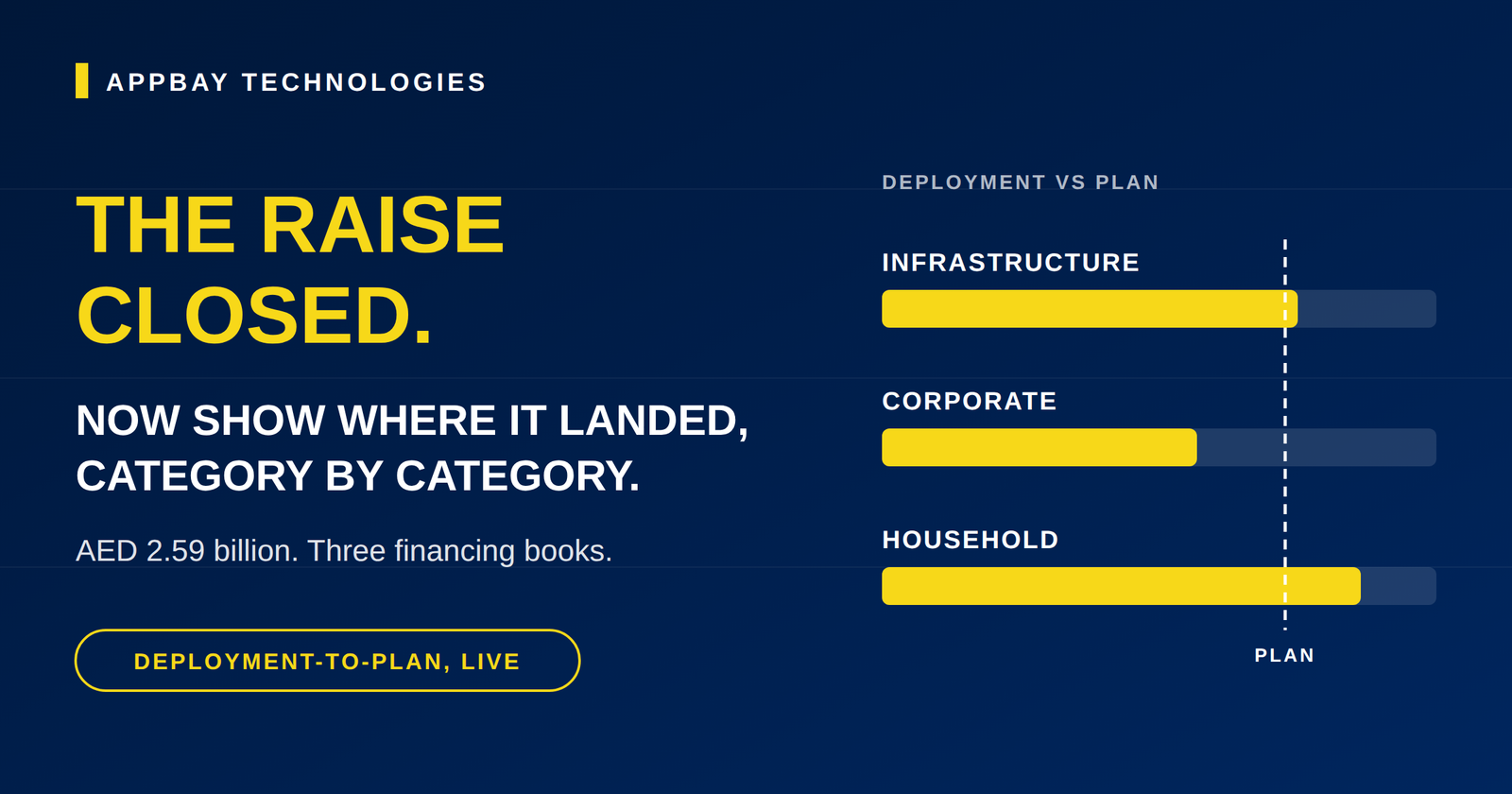
A financial group is currently executing a capital raising process – cancelling accumulated losses against share capital, then issuing new shares through a rights issue. The mechanics are precise. The audience watching every step is shareholders and regulators, not just the board.
This is the operational reality that sits quietly underneath one of the most heavily scrutinized processes a financial institution can run.
The Priority: Strengthening the Capital Base, Under Full Visibility
This capital raising mechanism is named as both a top strategic priority and a top business challenge, in the same breath. That combination alone signals how central this process is to the institution’s current moment – it isn’t a background initiative, it’s the headline item.
Capital actions of this type are among the most heavily scrutinized corporate processes a financial institution runs. They directly affect shareholder value and require regulatory sign-off at each stage – this isn’t a back-office process that stays internal if something goes wrong.
The Hidden Problem: Precision, Still Done by Hand
Here’s where the operational strain actually shows up, inside most institutions running a process like this:
- Manual entitlement calculation – shareholder entitlements worked out by hand, rather than verified systematically
- Subscription reconciliation by hand – matching subscriptions against shareholder registers without an automated cross-check
- Company secretariat, single point of check – one team, and often one final reviewer, standing between the process and the filing
- Errors visible to shareholders directly – unlike most back-office reconciliation work, mistakes here surface to the exact people they affect
Why does this exist? A rights issue combined with a capital reduction requires precise, auditable tracking of shareholder entitlements, subscriptions, and the capital restructuring itself. Errors or delays here are directly visible to shareholders and regulators, not just internal stakeholders – which makes this one of the least forgiving processes to run manually.
Why This Matters Now
This is named as both the top strategic priority and the top business challenge in the same input – the most urgent, board-visible item in the entire organization’s current profile. There’s no quiet way to get this wrong.
The board’s concern with a process this visible isn’t whether it’s happening. It’s sharper than that:
“Is every entitlement defensible, not just processed?”
For the CFO or Head of Investor Relations, this plays out as a live precision problem, measured against concrete metrics:
- Entitlement accuracy, verified – can every number be defended before it’s filed, not just after?
- Time-to-reconciliation – how quickly can subscriptions actually be matched and confirmed?
- Regulatory filing readiness – is the documentation ready to submit the moment the process concludes, or does it still need cleanup?
A capital raising process this visible has no room for a reconciliation error to surface publicly.
The Fix: Defensible Before Filing, Not After a Discrepancy Surfaces
The instinct with a process this sensitive is often to add more manual double-checking – a second reviewer, a third pass, more eyes on the same spreadsheet. That approach adds time without actually closing the gap that manual reconciliation creates in the first place.
The better path combines Appbay’s Audit IQ and Master Compliance Copilot into a shareholder-action tracking workflow, applied specifically to rights issue subscription and entitlement verification.
Neither product was originally built for capital-markets or shareholder-action processing specifically, but the underlying pattern transfers directly: verify against criteria, flag discrepancies, produce auditable reporting.
1. Shareholder Register and Subscription Data Ingestion
All the source data is captured into one system – not spread across spreadsheets that someone has to manually cross-reference.
2. AI-Driven Entitlement Verification
Every entitlement is checked systematically against the underlying criteria, rather than calculated by hand.
3. Discrepancy Flagging
Issues are surfaced automatically, before they reach a shareholder or a regulator – not discovered after the fact.
4. Secretariat Review
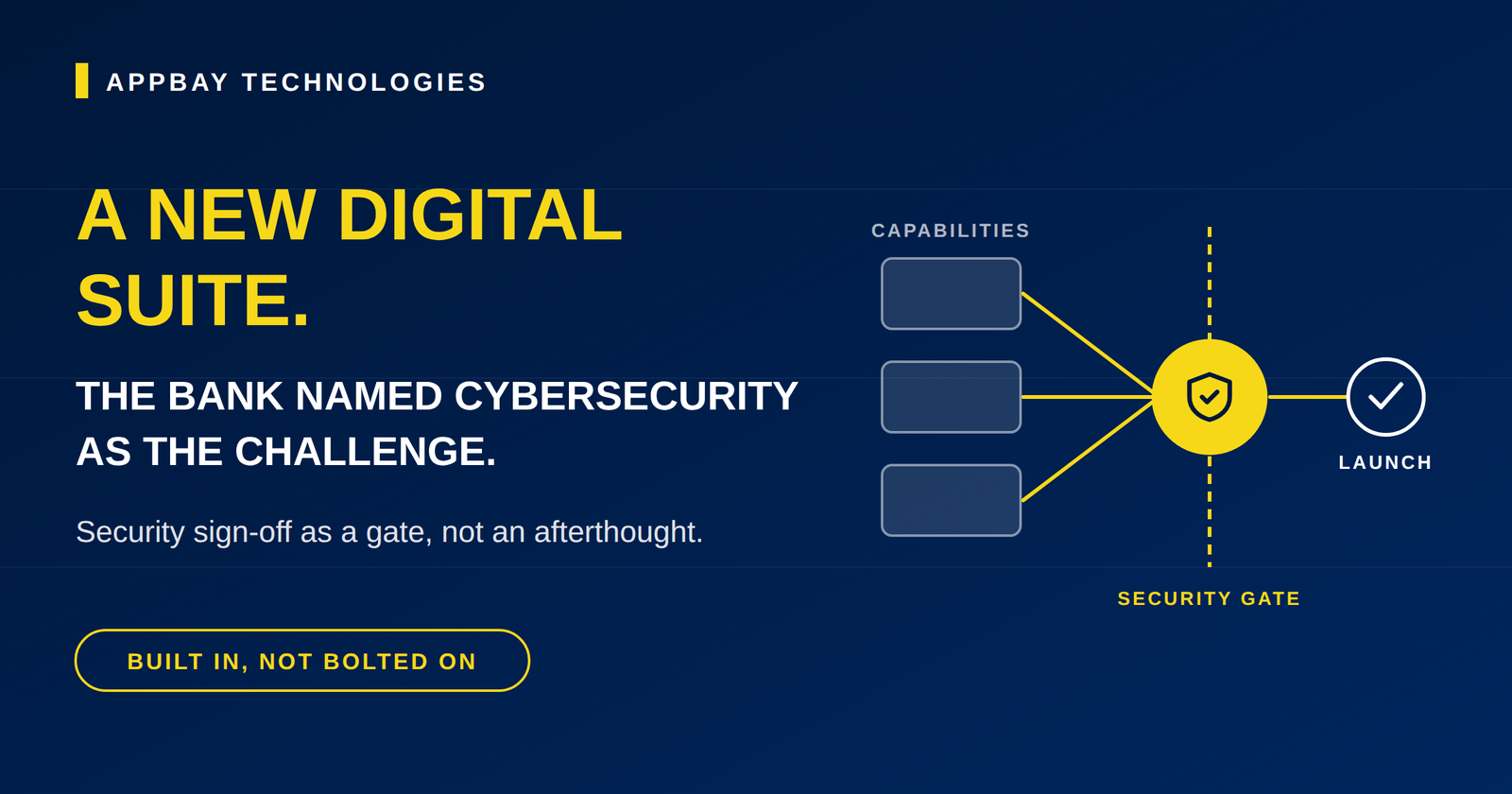
A person confirms every flagged item before anything is finalized. Automation surfaces the discrepancy, it doesn’t make the final call.
5. Appian-Orchestrated Approval Workflow
One governed process manages the action from data ingestion through to filing, rather than a series of disconnected manual steps.
6. Audit Trail
Every step is traceable, regulatory-filing-ready from the outset – not reconstructed after the fact if a question arises.
This turns “verified after a discrepancy surfaces” into “defensible before it’s ever filed.”
Proof, Not a Full Investor-Relations Overhaul
- 8-12 week proof of concept – scoped to one component of the capital action, such as rights issue subscription processing
- AI-driven entitlement verification – applied from day one, not bolted on after issues appear
- Human secretariat review retained – automation surfaces the discrepancies, a person makes the final call
- Appian-orchestrated audit trail – a defensible record ready for regulatory filing
- Filing-ready reporting – proof, before submission, that every number holds up
This isn’t a full investor-relations function rebuild. It’s a fast, scoped proof that one component of the capital action can run with full accuracy – before it scales across the full process.
This Pattern Isn’t Unique to One Institution
Any financial group executing a rights issue, capital reduction, or similar shareholder-facing restructuring will face the same precision demand: manual reconciliation simply doesn’t scale to the level of scrutiny these processes attract. The institutions getting ahead of this aren’t adding more manual double-checking. They’re making every entitlement defensible before it’s filed, not after.
Let’s Compare Notes
We’re working with financial groups across the GCC managing capital actions – same precision required, same audience watching. If your institution is navigating a similar capital raising process, we’d welcome the conversation.
Send us a message to discuss your capital action tracking approach.